Posted on Leave a comment

Bacon, Garlic & Herb Cowboy Compound Butter

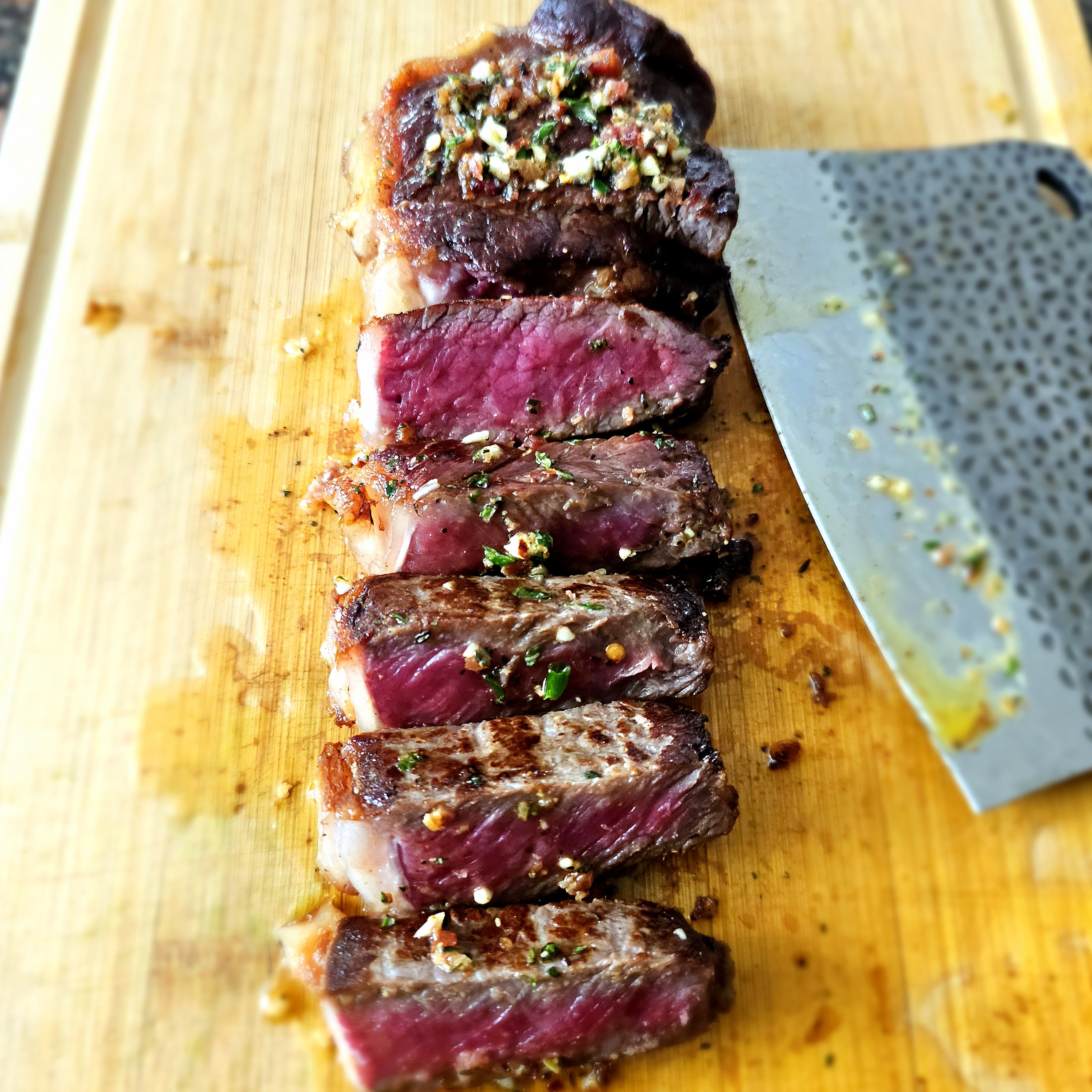
Transform your steak into a gourmet sensation with our Bacon, Garlic & Herb Cowboy Compound Butter. This tantalizing blend of savory ingredients is the ultimate carnivore’s companion, designed to take your steak to extraordinary heights of flavor.

Crafted with softened butter, crispy bacon bits, aromatic garlic, and an ensemble of fresh herbs, including rosemary, chives, and thyme, this compound butter is a carnivore’s dream come true. The addition of red pepper flakes, black pepper, and smoked paprika infuses a zesty kick that complements the rich, meaty profile of your favorite steak.

Whether you prefer your steak grilled, seared, or broiled, this compound butter is the secret weapon that will effortlessly elevate each savory bite. Spread a generous slice of this delectable butter atop your sizzling steak, allowing it to melt and mingle with the meat, creating a symphony of flavors that will tantalize your taste buds.

Unleash the cowboy spirit in your culinary adventures and indulge in the luxuriousness of our Bacon, Garlic & Herb Cowboy Compound Butter. It’s the perfect finishing touch to turn an ordinary steak into a carnivore’s delight, ensuring each mouthful is a savory celebration!

Ingredients:

  • 1 stick of butter, softened
  • 2 strips of bacon, cooked and finely diced
  • 2 tbsp garlic, finely minced
  • 1 tbsp fresh rosemary, finely minced
  • 1 tbsp fresh chives, finely minced
  • 1 tsp fresh thyme, finely minced
  • 1 tsp red pepper flakes
  • 1/2 tsp black pepper
  • 1/2 tsp smoked paprika

Instructions:

  1. Prepare the Ingredients:
    • Cook the bacon until crispy, then finely dice it.
    • Mince the garlic, rosemary, chives, and thyme finely.
  2. Mix the Ingredients:
    • In a mixing bowl, combine the softened butter with the diced bacon, minced garlic, rosemary, chives, thyme, red pepper flakes, black pepper, and smoked paprika. Mix thoroughly until all ingredients are evenly distributed throughout the butter.
  3. Form the Compound Butter:
    • Place the mixture onto a sheet of cling wrap, parchment or wax paper.
    • Roll the butter mixture into a log shape, using the paper to help shape and twist the ends to secure it.
    • Alternatively, you can use a small container or mold to shape the butter and refrigerate until firm.
  4. Chill and Serve:
    • Refrigerate the compound butter for at least an hour to allow the flavors to meld and the butter to solidify.
    • Once firm, slice the compound butter into rounds or use as desired.
  5. Enjoy the Flavors:
    • Serve this delectable Bacon, Garlic & Herb Cowboy Compound Butter on top of grilled steak, vegetables, or any dish where a burst of savory, herb-infused goodness would elevate the flavors.

This flavorful compound butter is a carnivore’s dream, adding a punch of smoky bacon, aromatic herbs, and zesty garlic to your favorite dishes. Savory and versatile, it’s the perfect condiment to amplify the taste of your carnivore creations!

The Carnivorous Cookbook

The Carnivorous Cookbook

(3 customer reviews)
$7.49

This digital cookbook offers 40 recipes that will take you on a culinary journey tailored to the preferences of those following Keto, Carnivore, and Animal-Based diets.
Posted on Leave a comment

Chuck Roast with Creamy Chimichurri Sacue

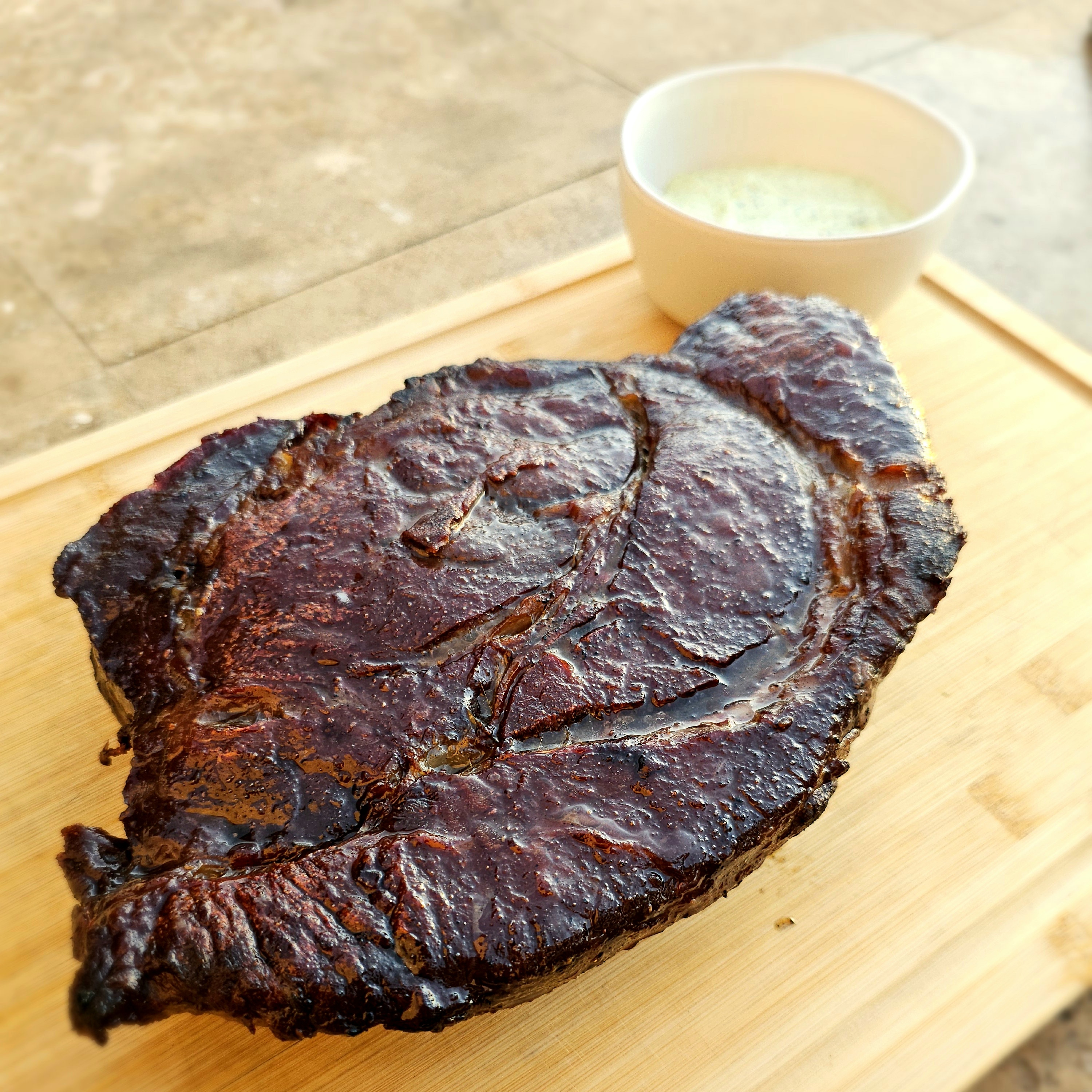
Today, we delve into the realm of slow-cooked perfection, where a humble Chuck Roast undergoes a 48-hour dry brining process, emerging as a masterpiece of flavor and tenderness. Paired with a Creamy Chimichurri Sauce that’s nothing short of enchanting, this dish is a testament to the magic that can happen in your kitchen.

As someone deeply entrenched in the worlds of fitness and food, I understand the significance of a diet that fuels your body and satisfies your taste buds. The Carnivore and Animal-Based Diet is not just a trend; it’s a lifestyle. This recipe is a celebration of the primal satisfaction that comes from succulent meat and bold, herbaceous flavors.

Join me on this culinary journey as we unlock the secrets of dry brining, slow roasting, and crafting a creamy sauce that elevates every bite. Whether you’re a seasoned pro or a novice in the kitchen, this dish promises to impress and inspire.

So, roll up your sleeves, don your apron, and get ready to embark on a gastronomic voyage that will leave you craving seconds. This Chuck Roast with 48-hour Dry Brine and Creamy Chimichurri Sauce is not just a meal; it’s an experience.

Ingredients:

For the Chuck Roast:

  • 3 lb Chuck Roast
  • Salt (heavily)

For the Creamy Chimichurri:

  • 1 bunch Italian Parsley
  • 2 tbsp dried oregano
  • 1 tbsp red wine vinegar
  • 1 tbsp ground cumin
  • 2 cloves garlic, peeled
  • 2 tsp salt
  • 1/2 tsp crushed red pepper flakes
  • 1 1/2 cups Sour Cream

Instructions:

Dry Brine:

  1. Pat dry the Chuck Roast with paper towels.
  2. Season the Chuck Roast generously with salt on all sides.
  3. Place the seasoned roast on a wire rack over a baking sheet.
  4. Refrigerate for 48 hours. This dry brining process helps the meat absorb the salt and enhances its flavor.

Cooking the Chuck Roast:

  1. Preheat your oven to 225°F (107°C).
  2. Remove the Chuck Roast from the refrigerator and let it come to room temperature for about 30 minutes.
  3. Place the roast in the preheated oven and roast for 2 to 2 1/2 hours, depending on your preferred doneness. Use the following internal temperature targets as a guide:
    • Rare: 105°F (40°C) with a final target of 120°F (49°C).
    • Medium-Rare: 115°F (46°C) with a final target of 130°F (54°C).
    • Medium: 125°F (52°C) with a final target of 140°F (60°C).
    • Medium-Well: 135°F (57°C) with a final target of 150°F (66°C).
  4. Monitor the roast’s internal temperature using a meat thermometer.

Searing the Roast:

  1. Once the roast reaches your desired internal temperature, remove it from the oven.
  2. Heat a pan or grill to high heat.
  3. Sear the roast on all sides for a few minutes until it develops a beautiful crust.
  4. Let it rest for a few minutes before slicing.

Creamy Chimichurri:

  1. In a food processor, combine the Italian parsley, dried oregano, red wine vinegar, ground cumin, garlic cloves, salt, and crushed red pepper flakes.
  2. Cover and pulse the mixture until the parsley is finely chopped.
  3. Add the sour cream to the food processor and blend until the mixture becomes smooth and creamy.
  4. Taste the chimichurri and adjust the salt if needed.
  5. Cover the creamy chimichurri and refrigerate it until you’re ready to serve. The sauce will thicken as it chills.

Serving:

  1. Slice the Chuck Roast and serve it with the creamy chimichurri sauce on the side.
  2. Enjoy your delicious 48-hour dry-brined and reverse-seared Chuck Roast with a creamy chimichurri sauce!
Posted on 1 Comment

Carnivore Cooking! Reverse Searing The Perfect Steak

The reverse sear is named so because it defies convention. Traditionally, cookbooks and chefs have recommended searing as the first step when preparing meat. The common belief was that searing helps to retain juices, but we now know this to be untrue. Searing only enhances the taste, and it doesn’t actually seal in juices. By reversing the process and searing the meat at the end, better outcomes can be achieved. What exactly are these improved outcomes, though?

Well Rounded Cooking

The temperature gradient within a piece of meat, which is the difference in temperature between the outer edges and center, depends on the rate of energy transfer during cooking. Using high temperatures transfers energy quickly, leading to uneven cooking, while low temperatures allow for gentle, even cooking.

Beginning the cooking process with a low-temperature oven for steaks minimizes overcooked portions and results in juicier meat.

Better Sear

The goal of searing meat is to create a crispy, browned exterior that contrasts with the tender, pink interior. This is achieved by triggering the Maillard reaction, a series of chemical reactions that happen when proteins and sugars are exposed to high heat. Imagine the skillet as a bucket of heat energy, and the steak as having three smaller buckets to be filled in order: the temperature change bucket, the evaporation bucket, and the Maillard browning bucket. The biggest of the three is the evaporation bucket, so reducing surface moisture is crucial for achieving a good sear and minimizing overcooked meat.

The reverse sear method is effective at removing surface moisture by slowly cooking the steak in the oven, allowing its surface to dry out and form a thin, dry pellicle that browns rapidly. For even better results, place the steak on a rack set in a rimmed baking sheet and leave it uncovered in the fridge overnight to dry out further.

Natural Tenderizer

Enzymatic tenderization may not be as obvious as other factors, but it can still have a noticeable impact on the tenderness of your meat. Cathepsins are enzymes found in meat that break down tough muscle proteins, leading to a more tender texture. Dry-aging meat relies on the activity of these enzymes, but at fridge temperatures, they work very slowly.

As meat heats up, the activity of cathepsins increases rapidly, reaching its peak around 122°F (50°C), before dropping off sharply. By slow-cooking your steak, you’re essentially simulating the dry-aging process and promoting enzymatic tenderization, resulting in a more tender steak.

In addition to tenderization, slow cooking also provides more flexibility in achieving your desired level of doneness. High-temperature cooking requires precise timing to achieve the perfect medium-rare, but slow cooking expands the window of time, making it easier to hit your target temperature consistently.

How to Reverse Sear a Steak

Reverse-searing is a straightforward process that can be used to cook a roast or thick-cut steak (at least 1.5 to 2 inches thick) to perfection. First, season the meat and place it on a wire rack set in a rimmed baking sheet. Then, either place it in a low oven, between 200 and 275°F (93 and 135°C), or on the cooler side of a closed grill with half the burners on if cooking outdoors. Cook until the meat is 10 to 15°F below the desired serving temperature, as indicated on the chart provided at the end of this section.


Finally, sear the meat in a hot skillet or on a grill to create a crisp crust.

For even better results, refrigerate the steaks uncovered overnight to dry out their exteriors.