
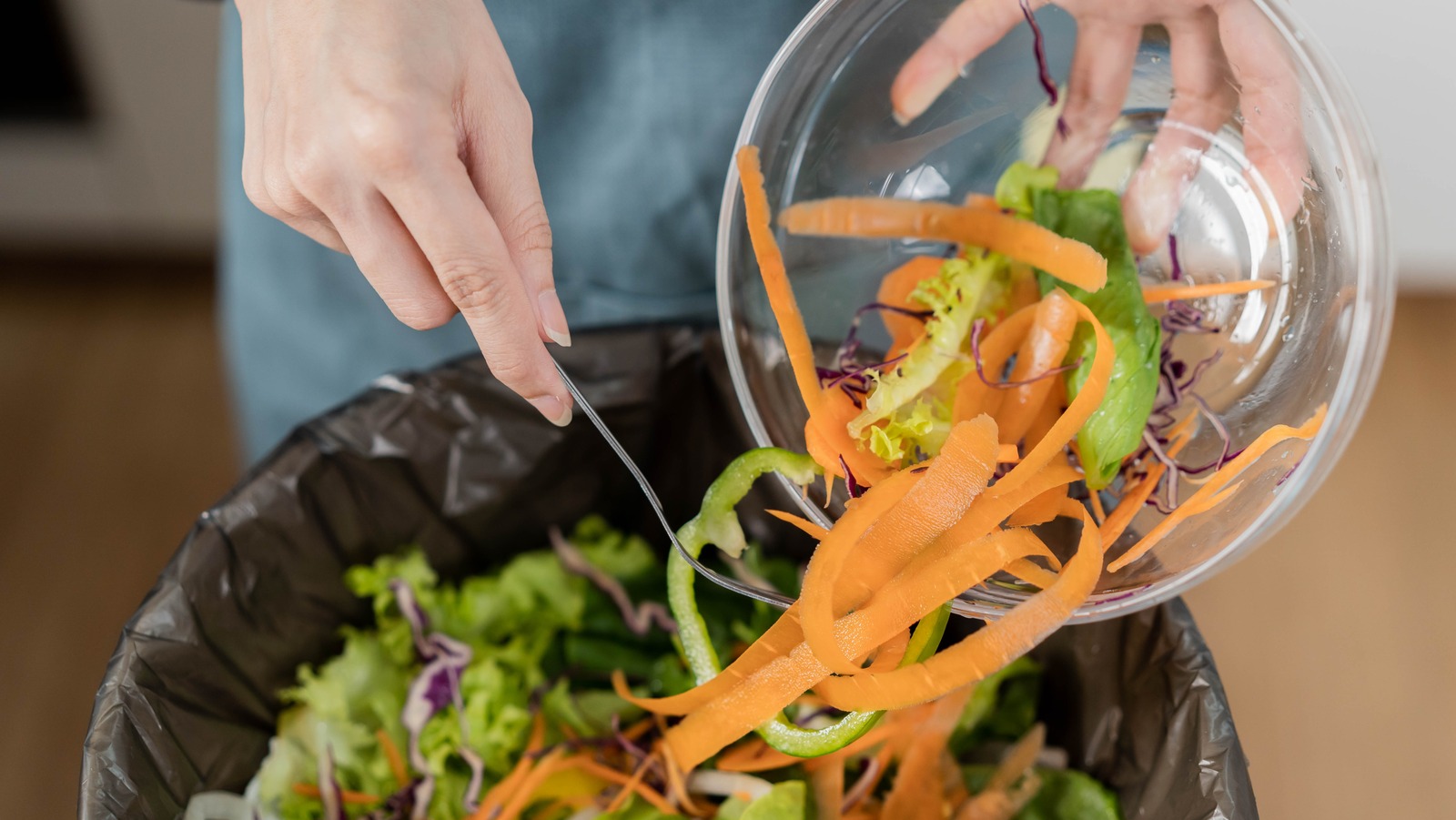
It is commonly “understood” that fruits and vegetables provide essential micronutrients such as vitamins, minerals, and phytonutrients that are necessary for optimal health. We have been taught to incorporate a variety of plant-based foods in our meals, using the “eating the rainbow” approach.
Some plant foods are considered superfoods due to their high levels of micronutrients and antioxidants. Examples of such foods include broccoli, kale, and other leafy greens.
However, it turns out that much of what we have been taught about nutrition and the benefits of a plant-based diet may be flawed. There are significant issues with this way of eating, including the fact that the nutrients in plants are often poorly absorbed by the body, and that plants contain chemical defense mechanisms designed to discourage animals and humans from consuming them.
One such category of defense chemicals is known as antinutrients, which can interfere with the body’s ability to absorb nutrients from food, and even cause illness.
This article explores the scientific and evolutionary reasoning behind reducing the amount of plants in your diet. It delves into the differences between plant and animal protein, identifies the best sources of nutrients for humans, and touches on the moral and environmental considerations of eating animals versus plants.
Furthermore, the article provides tips, such as fermentation, to reduce the toxicity of certain plant foods and improve the body’s ability to absorb their nutrients. By using these methods, it’s possible to still consume certain plants while minimizing any negative impact on your health.
Nutrients in Plants vs. Animals
Do vegetables have negative health effects? The truth is, compared to animals, plants are a suboptimal source of micronutrients such as vitamins and minerals.
There are several reasons for this:
Firstly, some crucial vitamins are entirely absent in plants.
Secondly, some of the vitamins found in plants must be converted before the body can utilize them, which diminishes their bioavailability.
Thirdly, antinutrients in plants can hinder the absorption of numerous vitamins and minerals.
Fourthly, plant protein has an incomplete amino acid profile and is inadequately absorbed.
Lastly, most plants contain unfavourable ratios of specific fatty acids, including omega-3 and omega-6.
Let’s further explore these issues and provide some examples.
Essential Nutrients Not Found in Plants
As previously mentioned, plants do not contain some essential and non-essential nutrients such as vitamins, minerals, and fatty acids, which are only available from animal sources.
Here are some examples:
- Vitamin B12, which is essential for proper brain and nervous system function, is not present in any reliable plant source. This is why many vegans struggle with deficiency and often consume fortified junk food. Organ meats, particularly liver, are excellent sources of vitamin B12.
- Vitamin D3 is not found in parts of plants that are safe for human consumption, except for microalgae. Hence, most of it comes from the sun and animal sources, particularly fatty fish.
- Plants contain vitamin K1, which has poor absorption by the body, especially in the absence of fat that plants lack. To obtain vitamin K2 from plants, you need to ferment them first. However, the most important form of vitamin K2, MK-4, is only present in animal products and particularly in liver.
- Creatine is important for muscle and brain function, but those following a plant-based diet have been found to have lower levels of creatine, leading to decreased physical and mental performance.
- Carnosine, responsible for muscle function, is a non-essential amino acid that vegetarians have significantly lower levels of in their muscles without supplementation. This can lead to decreased endurance and muscle mass.
- Docosahexaenoic acid (DHA), an essential omega-3 fatty acid, is found in fatty fish, fish oil, and microalgae. While plants contain alpha-linolenic acid (ALA), the conversion to DHA is inefficient. Therefore, plant-eaters must supplement with algae oil or synthetic versions of DHA to meet their needs.
- Taurine, a sulfur compound, is only present in animal-based foods such as fish, seafood, meat, poultry, and dairy. It supports muscle function, bile salt formation, and the immune system. A study found that vegetarians are often deficient in taurine, leading to an autoimmune disorder called platelet aggregation abnormality.
Nutritional Bioavailability
Plants contain many vitamins and minerals in forms that are not readily usable by the body and require conversion, which reduces their effectiveness and availability.
Consider the following examples:
Vitamin A: Plants contain only precursor forms of vitamin A, such as beta-carotene, alpha-carotene, and beta-cryptoxanthin, which the body must convert before use. In contrast, organ meats like liver provide readily available, pre-formed vitamin A (retinol). Iron: Non-heme iron, which is found in plants, is three times less bioavailable than heme iron, found in animal muscle and organ meats like liver and spleen.
Before proceeding, it’s worth considering this: how can a plant-based diet that requires synthetic vitamin and mineral supplements to address nutritional deficiencies be considered optimal?
Animal Protein vs Plant Protein
Proteins are made up of amino acids, some of which the body can produce on its own, while others (known as essential amino acids) need to be obtained through food sources.
However, plant-based protein sources are often deficient in certain essential amino acids, resulting in an incomplete amino acid profile. Furthermore, the bioavailability of plant-based protein is typically lower than that of animal-based protein, meaning the body may not absorb all the necessary essential amino acids from plant sources.
The ratio of Omega-3 to Omega-6
Omega-3 and omega-6 are both polyunsaturated fatty acids that play critical roles in supporting brain function, promoting skin and hair growth, regulating metabolism, maintaining the reproductive system, and more.
However, an excess intake of omega-6 can lead to inflammation, making it important to maintain a balance between the two fatty acids. Our ancestors had a relatively balanced ratio of omega-3 to omega-6 in their diets, which has been disrupted by the widespread use of industrial seed oils and the overconsumption of plant foods high in omega-6, such as nuts and seeds.
It is worth noting that meat from grass-fed animals has a more favorable omega-3 to omega-6 ratio than meat from grain-fed animals. Therefore, whenever possible, consuming pasture-raised meats can be a better option.
Nutrients in Animals
Consuming meat from animals raised under appropriate conditions doesn’t come with the concerns of low absorption and bioavailability of nutrients that plant-based foods do. By consuming a complete animal-based diet, including all the animal parts, you can obtain all the essential nutrients in the most readily available form for your body. Furthermore, you can avoid worrying about the toxic substances frequently present in plants.
Plants Natural Survival Defenses
Animals and plants share the desire to avoid being eaten, unless it benefits them in some way (which we’ll discuss shortly).
When faced with a threat, animals have the ability to run away or fight back. In contrast, plants cannot move and rely on chemical warfare to defend themselves. This includes the use of toxins, inflammatory proteins, enzyme inhibitors (also known as antinutrients), and thorns, which are concentrated in key parts of the plant such as seeds, leaves, stems, and skin.
To illustrate the power of plant defense mechanisms, consider these examples:
- Some plants can release chemicals when they sense leaf vibrations caused by insects chewing on them.
- Certain plants can turn caterpillars into cannibals with chemicals they release, causing the caterpillars to lose interest in eating the leaves.
- Other plants release chemicals that attract parasitic wasps that prey on the insects that damaged the plant.
While impressive, these examples highlight the strength of plant defenses and the range of toxicity present in various plant species.
However, some plants benefit from being eaten as it allows their seeds to spread and grow. Therefore, some fruits, like sweet fruits, are healthier for humans than others.
This doesn’t mean that you should avoid all plants, but rather be selective about the ones you consume regularly and learn about how food preparation can help reduce their toxicity.
To better understand the impact of plant toxins on our metabolism, let’s take a closer look at the most common types of plant toxins.
Common Plant Toxins
The list of toxins found in plants (called phytotoxins) is long, so here’s an overview of some of the most prevalent ones:
- Antinutrients (or enzyme inhibitors)
- Goitrogens
- Heavy metals
- Neurotoxins and carcinogens
- Phytoestrogens
Antinutrients
Antinutrients, unlike nutrients that provide nourishment, inhibit the absorption of individual proteins, vitamins, and minerals in the body. They can also cause damage to the intestinal walls, leading to increased intestinal permeability, also known as a leaky gut.
When the gut is leaky, undigested food particles such as proteins enter the bloodstream, triggering the immune system to attack them. Failure to eliminate such foods from your diet may lead to chronic inflammation and autoimmune diseases such as rheumatoid arthritis.
Moreover, consuming antinutrients may cause mineral deficiencies, particularly if you follow a diet that’s low in organ meats.
Common antinutrients include:
- Glucosinolates
- Gluten
- Lectins
- Oxalates
- Phytates or phytic acid
- Saponins
- Tannins
- Trypsin inhibitors
Glucosinolates
Glucosinolates are present in cruciferous vegetables such as Brussels sprouts and cabbage, and they hinder the absorption of iodine, flavonoids, iron, and zinc in the body.
Gluten
Gluten is a well-known antinutrient that many health-conscious individuals are aware of. It is commonly found in wheat, barley, and rye. Non-celiac gluten sensitivity affects an estimated 13% of the population.
Lectins
You may have come across the term “lectins” as it is gaining popularity, much like “gluten-free” eating. Lectins are proteins naturally found in various foods, with legumes and grains having higher concentrations of them. They are primarily present in the part of a seed that transforms into a leaf during the sprouting process.
One significant issue with lectins is that they can lead to leaky gut, which is also called intestinal permeability. When you consume foods rich in these proteins, they bind to cells in your gut lining, creating perforations that cause your gut’s contents to leak unfiltered into your bloodstream, leading to inflammatory pathways.
According to Dr Marcelo Campos, MD – Harvard Health
“We already know that increased intestinal permeability plays a role in certain gastrointestinal conditions such as celiac disease, Crohn’s disease, and irritable bowel syndrome. The biggest question is whether or not a leaky gut may cause problems elsewhere in the body. Some studies show that leaky gut may be associated with other autoimmune diseases (lupus, Type 1 diabetes, multiple sclerosis), chronic fatigue syndrome, fibromyalgia, arthritis, allergies, asthma, acne, obesity, and even mental illness. However, we do not yet have clinical studies in humans showing such a cause and effect.”
Dr. Campos, in the studies he cited, linked these results to Type 1 diabetes, but the same pattern was observed in other illnesses like Crohn’s disease and coeliac disease.
In a separate study by University of Alberta researchers, it was determined that “increased permeability is a persistent and early characteristic of the disease process in many autoimmune conditions. Additionally, it seems evident that in certain conditions, increased permeability plays a vital role in disease development, as the absence of it prevents disease progression.”
Oxalates
Plant-based foods such as spinach, rhubarb, rice, and almonds contain oxalates, which can bind to calcium, hindering the body’s ability to absorb this vital nutrient. The lack of calcium absorption can lead to muscle pain. Moreover, oxalates from the diet can bind to unused calcium and accumulate in the kidneys, resulting in kidney stones.
If you suffer from kidney stones, you may have been advised by your doctor to cut down on salt and animal protein intake. However, considering that early humans mostly consumed animal protein and did not suffer from chronic kidney problems, this advice may be misguided. Instead, it may be better to reduce your intake of vegetables that contain oxalates.
Moreover, calcium malabsorption can also result in other issues such as osteoporosis, fatigue, and inflammatory conditions like eczema.
Phytates or Phytic Acid
Phytates are present in the outer shells of whole grains, seeds, and legumes like soybeans and peanuts. They have the ability to bind with vital dietary minerals such as calcium, magnesium, iron, copper, and zinc, which renders them unusable by the body.
Saponins
Legume plants are the primary source of saponins, which get their name from their ability to foam up like soap in the presence of liquids, such as gastric fluids. Saponins can cause a leaky gut like lectins by binding to the gut, leading to increased intestinal permeability. Additionally, they can bind to zinc, which impairs the digestion of protein and the absorption of various vitamins and minerals.
Tannins
Tannins are often recognized as the component that imparts a dry taste to wine. Polyphenols known as tannins can be found naturally in a variety of sources such as plants, seeds, bark, wood, leaves, and fruit skins. They’re antinutrients because they inhibit the absorption of iron.
Trypsin Inhibitors
Proteins that inhibit the activity of trypsin, a digestive enzyme involved in protein digestion and absorption, are known as trypsin inhibitors. Interestingly, most trypsin inhibitors are found in grain legumes, such as peas and peanuts, which are a significant source of protein for vegans.
Since these inhibitors prevent the digestion and beneficial use of protein in our bodies, they are classified as antinutrients.
Other Antinutrients
Beyond the most important enzyme inhibitors mentioned above, here are a few more antinutrients (and foods containing them):
- Allicin and mustard oil: Onions, shallots, leeks, chives, scallions and garlic.
- Alpha-amylase inhibitors: Grains, legumes, nut skins and stevia leaves.
- Avidin: Egg white (one of the reasons why I often eat the yolk only).
- Calcitriol, solanine and nicotine: Green potatoes, eggplant, peppers, tomatoes and goji berries.
- Cyanide: Beans and fruit pits.
- Salicylates: Berries, dried fruits, herbs and spices.
- Oligosaccharides: Legumes.
Goitrogens
Goitrogens are chemicals that can inhibit the function of the thyroid gland by interfering with the uptake of iodine, an essential mineral required for thyroid hormone synthesis.
Foods that are rich in goitrogens include bok choy, broccoli, Brussels sprouts, cabbage, cauliflower, collard greens, horseradish, and kale, which are often considered as “superfoods.”
Heavy Metals
The problem of soil contamination with heavy metals is prevalent worldwide. The challenge is that heavy metals, such as arsenic, cadmium, chromium, and lead, among others, not only remain in the soil but also get absorbed by plants and eventually end up in our food chain, regardless of whether they were organically or conventionally grown using synthetic herbicides or pesticides.
Although heavy metals can also accumulate in animal tissue, studies have indicated that individuals who primarily consume a plant-based diet tend to have higher blood levels of heavy metals.
Neurotoxins and Carcinogens
It is important to be aware of the potential toxicity of certain plant-based foods. For example, castor beans contain ricin, a neurotoxin that can cause death within hours. Although this is an extreme example, even regular beans and potatoes can be highly toxic when consumed raw and cause severe illness or death. Additionally, some plants like grains and legumes are often contaminated with aflatoxins, a type of mold that grows on tree nuts, seeds, maize and other cereals. Aflatoxins are known to cause cancer by damaging human cells and DNA.
Phytoestrogens
Phytoestrogens are plant-based chemicals that mimic the sex hormone estrogen.
The Real Reason I Ditched The Veggies
In truth, my decision to remove vegetables from my diet stemmed from an attempt to alleviate long-standing gastrointestinal problems, despite adhering to a strict diet and avoiding processed foods. It became apparent that cutting out veggies greatly improved my chronic digestive issues. The discomfort I experienced after consuming even small amounts of vegetables was a striking realization for me. This personal experience led me to explore the Carnivore and Animal-based diets, and I concluded that everyone could benefit from eliminating veggies from their diets.


