
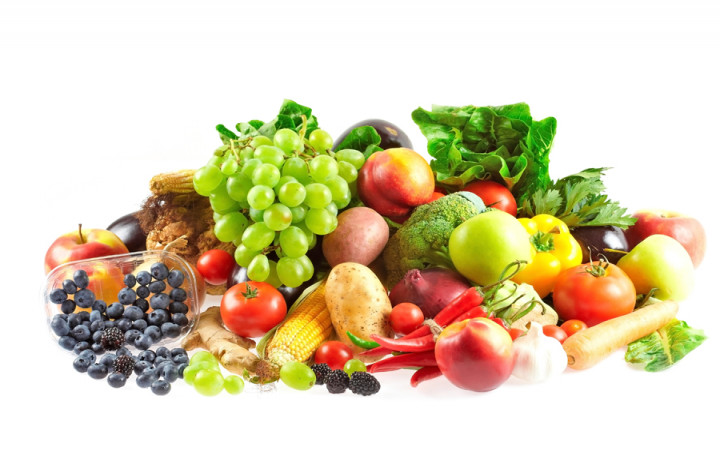
Amidst the current surge in veganism, I must share a cautionary message: Vegetables may harbor sinister intentions. The verdant foliage in your smoothie may be teeming with toxins meant to cause you harm.
I understand if this sounds incredulous. Even non-vegans consume plant-based diets frequently. How could all plant-based foods be hazardous?
But ponder this: why would plants permit themselves to be consumed? It is not advantageous for their evolutionary survival. What would prevent herbivorous creatures from consuming all plants and driving them to extinction?
The reality is that virtually all plants contain defense chemicals, which serve to prevent them from being consumed to the point of endangerment.
Broccoli, for instance, contains sulforaphane, while kale boasts elevated levels of oxalates, both of which are typically praised for their health benefits. However, these substances exist as a means of warding off predators.
Before delving into the biology of plant toxins, let’s first examine the eating habits of herbivores. After all, these animals subsist almost entirely on plant material. So why aren’t they constantly plagued by the poisonous nature of plants?
Well, herbivores that have adapted well to their diets possess a plethora of chemical defenses against plant toxins. For instance, moose and other grazers have enzymes in their saliva as well as multiple stomachs that neutralize plant toxins such as tannins.
Despite these adaptations, even the most well-adapted herbivores, known as ruminants, avoid overindulging in a single plant source. These creatures have been observed to alternate between different plant foods, consuming old grass one day, young grass the next, and nibbling on a twig later on.
It appears that the palates of herbivores shift in response to plant toxins in order to prevent sickness. As they consume a particular plant and ingest more of its toxins, their appetite for that plant diminishes. This intricate system of learning and instinct appears to be innate to these animals.
This serves as a warning to human observers. If even herbivores struggle with plant toxins, what about us? With adequate knowledge, we can navigate plant toxins ourselves and safeguard our health.
Plants contain a variety of chemicals that can be harmful to humans. In fact, if a compound in a plant isn’t a nutrient, it’s likely to be toxic. Two well-known examples of harmful plant compounds are lectins and oxalates, which can be extremely harmful even in small amounts.
Polyphenols are another group of compounds found in plants, and are often marketed as antioxidants that help reduce inflammation in the human body. Examples include resveratrol, quercetin, flavonoids, tannins, stilbenes, lignans, curcumin, and capsaisin. However, these compounds do not serve any purpose in plant metabolism and are actually either pigments or plant defense mechanisms.
When consumed, polyphenols do not become part of our working biology. Instead, they can cause inflammation, which prompts our bodies to produce glutathione, an antioxidant that actually lowers inflammation. While some research has suggested short-term benefits of polyphenols, overall, the evidence for their long-term benefits is weak. In fact, resveratrol has failed to show the benefits that were originally touted, and has even been linked to negative side effects.
Instead of relying on polyphenols, it may be better to rotate plant foods regularly to allow for benefits from a variety of compounds. Exercise and environmental stressors such as cold therapy may also provide antioxidant benefits for the body. Rather than taking megadoses of polyphenol supplements, it’s best to focus on a balanced diet and healthy lifestyle.
Animal biology produces oxalates as a waste product, which can cause health issues when accumulated in excessive amounts in the body. Calcium oxalate is the primary component of kidney stones, which can lead to permanent kidney damage and renal failure in individuals with primary hyperoxaluria.
On the other hand, plants use oxalates for photosynthesis, mineral stabilization, and defense against predation by animals. Some plants have microscopic needles called raphides made of calcium oxalate, which can cause tissue damage and deliver toxic proteins to animals.
Turmeric is considered a superfood due to its many health benefits, but it contains a high amount of oxalates. 100 grams of turmeric powder contains about 2000mg of oxalates, which is significantly higher than the daily oxalate production of humans, which is 10 to 30mg. Excessive oxalate intake can lead to the formation of kidney stones and digestive tract damage, and even death in extreme cases.
Dark green vegetables, potatoes, some spices, and medicinal mushrooms like Chaga also have high oxalate content. Cooking plant foods can help break down harmful compounds, but it may not necessarily lower oxalate content.
Castor beans contain one of the most toxic plant compounds known to humans, called ricin. Even a small dose, equivalent to a few grains of salt, can be fatal to an adult. In 2013, an attempt to assassinate Obama involved sending a letter containing ricin.
Lectins are a type of plant compound that can be extremely dangerous. Although ricin is the most toxic lectin, milder lectins in our food can still cause a range of health issues. The reason plant lectins can be problematic is because they bind to glycoproteins in our cells, which can lead to various health problems.
For example, ricin binds to a part of our ribosome used in protein synthesis, causing death even at very small doses. Undercooked kidney beans are also known to cause poisoning, which may result in vomiting and diarrhea, and possibly long-term effects such as stunted growth rate.
Lectins such as gluten can trigger severe stomach problems and inflammation in people with celiac disease, while peanut lectins have been linked to an increased risk of rectal cancer. Overall, it’s important to be aware of the potential dangers of lectins in our diet and take precautions to minimize our exposure to them.
In my view, humans are not simply omnivores, but rather facultative carnivores. Facultative carnivores, such as dogs, can thrive on a diet that is predominantly animal-based, but are also able to consume plant materials when necessary for survival.
Over the past three years, I have been healing from a chronic disease. During this time, the carnivore diet, popularized by individuals like Dr. Sean Baker and Mikhaila Peterson, gained prominence.
Numerous individuals suffering from severe autoimmune conditions, such as Mikhaila Peterson’s lifelong rheumatoid arthritis, have reported significant healing or complete cures upon adopting an exclusively animal-based diet.
While my health problems were not caused by veganism, I had tried it as an attempt to heal, only to experience an increase in health symptoms and noxious gas production.
However, upon trying the carnivore diet, I was amazed by how much better I felt, despite having already experienced an 80% improvement through other methods.
I encourage you to explore the zerocarb and carnivore subreddits, where you will find numerous success stories of individuals overcoming issues ranging from diabetes to panic disorder.
While humans have likely consumed plants throughout most of our history, I am not convinced that we need them. For those of us with chronic diseases, many of which are the result of poor metabolism, adopting a low-carbohydrate, animal-based diet that eliminates plant toxins may be beneficial.
Of course, I understand that few individuals will adopt such a diet unless they are already dealing with health issues. However, it is worth being aware of which plant foods contain the most toxins so that you can monitor your consumption of them.
I now consider meat as my primary food source, while viewing plants as either survival food or medicine with potential side effects.
If you’re healthy, you can consume many plants safely, and even indulge in less healthy ones occasionally. However, individuals with genetics from populations living closer to the equator may have better carb tolerance, but that doesn’t mean they aren’t facultative carnivores.
I follow a carnivore diet because I believe that humans are naturally adapted to consuming only meat. Here are some of the reasons why I believe this:
- Our digestive system’s pH is acidic, like that of carnivores, rather than omnivores or herbivores.
- Our small intestine is short, unlike that of herbivores or primate ancestors.
- Ancient humans had high nitrogen content in their bones, indicating a diet rich in meat.
- Nomadic Mongolians who consume almost entirely animal-based foods live longer than their city-dwelling counterparts, despite the lack of access to healthcare.
However, I do not advocate for consuming only muscle meat and water. Even carnivores like lions consume a variety of animal parts. Therefore, I practice a nose-to-tail diet that includes organ meats, bone broth, animal fat, and collagen protein from tendons and skin or a collagen supplement to ensure optimal nutrient intake.
Highest toxicity plants
In general, seeds are the most toxic part of a plant, followed by roots, stems, and leaves. This hierarchy makes sense since seeds are vital for a plant’s reproduction. Roots, stems, and leaves are involved in providing the plant with nutrients. Foods derived from these parts of plants include nuts, beans, grains, onions, potatoes, and other roots.
Fermenting, soaking, and sprouting can help reduce the toxicity of these foods. Soaking nuts and dehydrating them or sprouting them can greatly reduce harmful or nutrient-blocking plant compounds. Fermenting, on the other hand, may have been used by ancient humans to make plant foods more digestible by breaking down plant toxins with bacteria. There is even a gut bacteria called oxalobacter that may break down harmful oxalates found in plants.
However, not everyone has this gut bacteria, possibly due to overuse of antibiotics, so it’s important not to assume that you can consume kale smoothies without any negative effects.
Mid-tier toxicity in plants
Moving down the spectrum of plant toxicity, we arrive at fruits which, although they rely on animals to spread their seeds, may not necessarily be as beneficial to human health as previously thought.
One argument suggests that the addictive qualities of sugar, rather than nutritional value, are what make fruits attractive to animals. Additionally, many fruits contain polyphenols which are used to deter bugs from consuming them, but may not have significant long-term health benefits.
Furthermore, excessive consumption of carbs has led to metabolic dysfunction in many people, making fruit consumption a potential issue for those with blood sugar problems.
In essence, fruits are less likely to be toxic in terms of plant compounds, but their sugar content can pose problems for those with insulin sensitivity issues. However, if you do not have blood sugar issues, sweet fruits can be incorporated into your diet without causing harm.
Lowest toxicity plants
The least toxic plant-based foods are iceberg lettuce, which doesn’t have much nutritional value, and non-sweet fruits like squash, avocados, and coconuts (although some people may have issues with coconut). These fruits’ seeds and skin should still be avoided, but the flesh is generally low in plant toxins.
While it may not seem like there are many plant-based options left, it’s still better to consume them than processed junk food. However, there are concerns about trendy supplements and juice cleanses, as even herbivores don’t eat that many plants.
Instead, it’s recommended to rotate plant-based foods and focus on low-toxin options such as non-sweet fruits. For those in good health, moderate-toxicity foods can be tried in moderation, while high-toxin plants should be avoided unless they’re sprouted, soaked, or fermented.
If you’re interested in learning more about plant toxins, check out “The Plant Paradox” by Dr. Steven Gundry, who still promotes the consumption of plants. Dr. Gundry has a more lenient view on plant toxins compared to Dr. Saladino and the writer of this article.
You can also listen to a great podcast interview between Dr. Saladino and Dr. Gundry to get both the carnivore and omnivorous perspectives from experts who are knowledgeable about plant toxins.
