Posted on Leave a comment

Cholesterol and the Carnivore Diet

Many individuals worry about the carnivore diet’s potential to raise cholesterol levels, which have long been linked to a higher risk of coronary heart disease.

A carnivore diet, like other low-carb diets, may raise cholesterol levels, but an increase in cholesterol levels, particularly the “bad” low-density lipoprotein cholesterol (LDL-C), should not necessarily be a cause for concern. LDL-C is an inadequate indicator of cardiovascular disease risk, and the number of LDL particles, particularly the smaller, denser ones, is a better indicator.

Studies also suggest that low-carb diets can increase LDL particle size and decrease the number of small, dense LDL particles, both of which indicate a reduced risk of cardiovascular disease. This post will demonstrate why an increase in cholesterol levels on this diet may not be a worry.

What is Cholesterol?

Cholesterol is a lipid-like substance that is present in blood and every cell of your body.

Your body is capable of producing sufficient cholesterol on its own.

Nevertheless, animal-based foods like meat, fat, eggs, poultry, dairy, and seafood can also provide you with cholesterol.

Unlike animal-based foods, plant-based foods do not contain any cholesterol.

The Role of Cholesterol

Cholesterol plays a crucial role in maintaining human life. Without it, we would not be able to survive.

Cholesterol is a vital part of the cell membrane, providing structural support and regulating its fluidity. Additionally, cholesterol is present in every cell of the body, making it an indispensable component for our survival.

Cholesterol serves as a precursor molecule for the synthesis of vitamin D, steroid hormones, and sex hormones. Additionally, it is a key component of bile salts that aid in the digestion and absorption of fat-soluble vitamins A, D, E, and K.

Moreover, cholesterol plays a crucial role in maintaining proper brain function. As the most cholesterol-rich organ in the body, the brain contains approximately 20% of the body’s total cholesterol.

Measuring Cholesterol

Since cholesterol is not soluble in water, lipoproteins are responsible for transporting it around the body to perform its various functions [5]. Lipoproteins are protein molecules that carry both cholesterol and triglycerides [6].

There are seven types of lipoproteins, but blood tests generally report cholesterol levels in two types: low-density lipoprotein (LDL) and high-density lipoprotein (HDL). In the United States, cholesterol levels are measured in milligrams of cholesterol per deciliter of blood, while in Europe and other countries, they are measured in millimoles per liter.

To ensure that the cholesterol and fat particle levels in the blood are not influenced by recent food intake, fasting for 8 to 12 hours is typically required before cholesterol testing.

LDL

Low-density lipoproteins (LDL) are the primary cholesterol transporters in the body, carrying cholesterol from the liver to various tissues and cells throughout the body.

Medical professionals and literature often refer to LDL as the “bad” cholesterol, as high levels of LDL have been linked to cholesterol buildup in the arteries.

HDL

High-density lipoproteins (HDL) serve the opposite function of LDL by removing excess cholesterol from peripheral tissues and transporting it back to the liver for excretion.

HDL is commonly referred to as the “good” cholesterol because it counteracts the effects of LDL and is believed to reduce the development of plaque in the arteries.

Triglycerides

Along with LDL, HDL, and total cholesterol, triglyceride levels are frequently reported as part of an overall lipid profile [12].

Triglycerides are a type of fat in the blood that can originate from dietary fats or be produced from excess calories consumed [12].

Epidemiological data suggests a link between high triglyceride levels and an elevated risk of metabolic syndrome and cardiovascular disease.

Cholesterol Levels

To sum up, healthcare experts generally believe that maintaining low levels of LDL cholesterol and triglycerides, as well as high levels of HDL cholesterol, is beneficial for your health.

It’s worth noting that the recommended cholesterol levels are based on the typical high-carb and omnivore diets consumed by the general population. As a result, they may not be particularly relevant to those following a carnivore diet.

Assuming these guidelines still hold some value, we’ll examine whether high cholesterol levels on a carnivore diet should be a cause for concern.

From the existing evidence, it appears that individuals who follow a carnivore diet typically have higher total cholesterol, LDL, and HDL levels, while experiencing a reduction in triglyceride levels.

Why Your Cholesterol Could Potentially Increase On The Carnivore Diet

The primary reason for the increase in total cholesterol, HDL, and LDL on the carnivore diet is the shift from using carbohydrates to fats for energy. Since there is a limited amount of carbohydrates in a low-carb or carnivore diet, the liver has to convert a significant amount of fatty acids into ketones for energy use.

When fatty acids enter the liver, they are converted into acetyl-CoA, which can be used for energy or converted to HMG-CoA. Since HMG-CoA is involved in both cholesterol and ketone formation, when in ketosis, both ketone and cholesterol production increase, leading to an increase in total cholesterol, HDL, and LDL.

Additionally, fasting can cause a similar increase in cholesterol levels as the liver begins to break down fatty acids for energy after glycogen stores are depleted. While elevated HDL is considered a positive indicator, an increase in LDL is typically seen as negative due to its association with a higher risk of heart disease, though this may not always be the case, as explained below.

Is High Cholesterol On The Carnivore Diet Even An Issue?

As previously mentioned, cholesterol is a crucial component in the human body, and its absence could result in instant death. This raises the question of why such a vital substance can also be deadly, and whether an elevated LDL cholesterol level on a carnivore diet should be a cause for concern.

The answer is no.

Studies have demonstrated that an increase in LDL cholesterol levels on a low-carb, high-fat diet or the carnivore diet is not necessarily a cause for concern, as the number of LDL particles is a better indicator of the risk of heart disease than LDL cholesterol levels.

Although LDL particle sizes may increase on low-carb, high-fat diets (potentially contributing to the increase in total LDL cholesterol), the total number of LDL particles and small LDL particles actually decrease, which research has shown indicates a reduction in the risk of cardiovascular diseases.

LDL cholesterol vs LDL particle number

LDL cholesterol (LDL-C) is a metric used to determine the quantity of cholesterol present within LDL particles.

LDL particle (LDL-P) number refers to the total number of low-density lipoprotein particles present in your bloodstream.

Despite being a common tool for evaluating cardiovascular risk, LDL cholesterol is frequently estimated rather than directly measured due to financial constraints.

This can lead to issues since (i) LDL particles can differ in size, and (ii) LDL particles may not all carry the same amount of cholesterol.

LDL Particles Is More Indicative of Cardiovascular Disease Risk than LDL Cholesterol

A study conducted on 3066 middle-aged participants (Framingham Offspring Study) measured both LDL cholesterol, non-HDL cholesterol, and LDL particle number. [27]

The study tracked participants for approximately 15 years, recording incidents of cardiovascular disease (CVD).

The findings indicated that LDL particle number was more closely related to the incidence of cardiovascular disease than LDL cholesterol or non-HDL cholesterol levels.

Individuals with a low level of LDL particles (<25th percentile) had a lower CVD event rate (59 events per 1000 person-years) than those with an equivalently low level of LDL cholesterol (81 events per 1000 person-years).

This study highlights that the number of LDL particles is a superior indicator of cardiovascular risk compared to LDL cholesterol alone, and that lower LDL particle numbers are more favorable.

A systematic review by Ravnskov et al (2016) published in the British Medical Journal similarly found a lack of association or an inverse association between LDL cholesterol and mortality in the elderly.

Additionally, LDL particles are not uniform, and small, dense particles are more likely to contribute to the formation of arterial plaque due to their increased entry and retention in the arteries and susceptibility to oxidation. Research indicates that individuals with predominantly small, dense LDL particles have an elevated risk of coronary heart disease, regardless of their overall LDL cholesterol levels. Conversely, those with mostly large LDL particles have a lower risk of developing heart disease.

Low Carb, High Fat Diets Decrease Cardiovascular Disease Risk

The literature review presented above highlights the positive effects of low-carb and high-fat diets on LDL particles. Falkenhain et al (2021) conducted a meta-analysis of 38 randomized trials and found that low-carb diets decreased the number of total and small LDL particles, while increasing LDL particle size. Similarly, Froyen’s (2021) review found that higher fat diets decreased the number of small, dense LDL particles and/or increased the number of large and buoyant LDL particles compared to lower fat diets. These changes indicate a reduced risk of cardiovascular diseases.

Studies have shown that small, dense and oxidized LDL particles are more likely to contribute to plaque formation in the arteries, increasing the risk of cardiovascular diseases. Therefore, a decrease in the number of small LDL particles on a low-carb diet could potentially lower the risk of heart diseases.

In contrast, large LDL particles have been found to not be associated with an increased risk of heart diseases. A study of 2072 men found that large LDL sub-fractions were not linked to an increased risk of CVD events, but small LDL sub-fractions were.

Overall, an increase in LDL particle size on low-carb high-fat diets, which is likely the cause of the increase in LDL cholesterol, indicates a lower risk of heart diseases. Therefore, the number of LDL particles is a better indicator of cardiovascular disease risk than LDL cholesterol level alone.

Conclusion

The carnivore diet and other low-carb diets may result in lower triglyceride levels, higher total cholesterol, HDL and LDL cholesterol levels. While a decrease in triglycerides and an increase in HDL cholesterol are considered positive indicators, an increase in LDL cholesterol has traditionally been viewed as negative because it has been associated with plaque formation in arteries. However, studies suggest that LDL cholesterol level alone is not a good marker of coronary heart disease risk; rather, the number of small, dense LDL particles is a more accurate predictor. These small, dense or oxidized LDL particles promote plaque buildup in arteries. Research indicates that low-carb diets, including the carnivore diet, can decrease the number of small, dense LDL particles, which suggests that they can have a beneficial effect on heart health.

Posted on Leave a comment

Leaky Gut Syndrome. What is it? Can the Carnivore Diet Help Heal it?

Leaky gut syndrome has emerged as a possible underlying cause for a range of chronic illnesses in recent years, spanning from skin problems to autoimmune disorders and even cancer.

While it’s not a medical term by itself, leaky gut refers to a condition called “increased intestinal permeability.”

Although the relationship between leaky gut and disease isn’t yet well-defined, it has been clinically linked to a range of autoimmune and chronic conditions, such as celiac disease and type 1 diabetes.

Let’s delve into the specifics of leaky gut, including its causes and unexpected dietary and lifestyle adjustments that can facilitate its healing.

What Exactly is Leaky Gut?

Increased intestinal permeability leads to leaky gut syndrome, which is caused by a malfunctioning gut lining. To comprehend the concept of leaky gut and why intestinal permeability matters, it’s essential to understand the gut’s functioning.

The human belly contains an extensive intestinal lining that spans over 4,000 square feet of surface area. It functions as a tight barrier regulating the absorption of substances into the bloodstream.

If the gut lining is unhealthy, it may develop large cracks or holes, allowing partially digested food, toxins, and microbes to infiltrate the underlying tissues. This can trigger inflammation and alterations in the gut’s normal bacterial composition, leading to issues both within the digestive system and beyond.

Current research reveals that changes in intestinal bacteria and inflammation can contribute to the onset of several chronic diseases.

The Function of the Gut

The gastrointestinal (GI) tract, commonly referred to as the gut, is responsible for processing everything we ingest, starting from the mouth and ending at the anus. The throat, esophagus, stomach, small intestine, large intestine, and rectum are the other organs involved in this process.

The majority of the foods and fluids we consume do not get absorbed by our bodies until they reach the small intestine. This 20-25 foot long tube is responsible for nutrient absorption, as the nutrients enter our bloodstream and are transported to nourish and maintain the cells throughout our bodies.

The Intestinal Barrier

The lining of your intestines, known as the intestinal barrier, encompasses roughly 4,000 square feet of surface area and is responsible for shielding the gut from the rest of the body.

This dynamic barrier requires approximately 40% of the body’s energy expenditure to sustain it and is composed of several components, including:

  • The lumen, which houses gastric acid, bile, pancreatic juice, and bacteria that degrade antigens and pathogenic bacteria.
  • The glycocalyx and mucus layer, which prevent interactions between gut bacteria and intestinal epithelial cells.
  • Intestinal epithelial cells that are interconnected by intercellular proteins such as tight junction, adherens junction, and desmosome that restrict the entry of bacteria and/or bacterial products into the systemic circulation.
  • The lamina propria, an additional defensive layer.

Causes of Leaky Gut

The intestinal barrier can be likened to a castle gate, with the tight junctions acting as guards who open and close it only after verifying the identities of visitors.

In normal circumstances, any intruders are prevented from entering the castle.

However, if the guards are injured or incapacitated, intruders can easily gain access. This is precisely what occurs in the case of leaky gut.

The intruders that can penetrate the leaky gut include harmful foreign substances such as bacteria, toxins, and undigested food particles. These substances are harmful because they’re not meant to circulate throughout your body.

As your immune system identifies these substances as unwanted, it triggers a series of reactions, including autoimmune responses such as chronic inflammation.

Afflictions Associated with Leaky Gut

Hippocrates, the Ancient Greek physician, stated that “All disease begins in the gut.” As it turns out, he was not too far off the mark.

Medical practitioners are now identifying more and more diseases, both intestinal and extraintestinal, that are associated with leaky gut.

Why is this the case?

The intestinal barrier has the essential function of maintaining balance, or homeostasis, in the gut.

The gut contains 70% of the cells that form your immune system and houses your microbiome, which is a vast ecosystem of trillions of bacteria that perform critical functions, from breaking down food to regulating neurotransmitters and hormones.

Therefore, when the lining that maintains and balances this intricate system is compromised, the consequences can affect every other part of your body.

In addition, leaky gut may also be complicit in:

  • Autism
  • Alzheimer’s disease
  • Parkinson’s disease
  • Asthma
  • Multiple sclerosis
  • Autoimmune diseases

Symptoms of Leaky Gut

Here are some signs and symptoms commonly seen that may be an indication for leaky gut:

  • Digestive issues (diarrhea, constipation, bloating, gas, etc.)
  • Chronic fatigue
  • Muscle pain or fibromyalgia-type symptoms
  • Joint pain
  • Headaches
  • “Brain fog” or trouble concentrating
  • Food allergies or sensitivities
  • Skin issues, including eczema, acne, rosacea
  • Autoimmune diseases
  • Hormone imbalance
  • Vitamin deficiency

What Leads to Leaky Gut?

Although physicians and researchers have not yet been able to identify a direct cause of leaky gut, several factors are thought to play a significant role.

Plant Toxins

It may come as a surprise, as we’ve been advised by doctors and health officials for years to increase our intake of plant-based foods. Some of these vibrant foods are even labeled as “superfoods” with purported health benefits ranging from reducing chronic inflammation to potentially curing cancer.

While these plant-based foods may seem harmless and even beneficial, they are not necessarily on our side. Plants have developed toxins and antinutrients as defense mechanisms against predators, given their inability to move. Research indicates that on a daily basis, we ingest approximately 1.5 grams of natural pesticides, which is roughly 10,000 times more than the amount of synthetic pesticides.

Antinutrients further compound the issue by causing nutritional deficiencies that contribute to intestinal permeability. Plant toxins and antinutrients come in various forms, such as lectins, saponins, tannins, glycoalkaloids, glucosinolates, sulforaphane, oxalates, phenols, salicylates, cyanogenic glycosides, trypsin inhibitors, isoflavones, phytoestrogens, photosensitizers, omega-6 fatty acids, and mold. All of these compounds are associated with inflammation, which can negatively impact gut health.

Lectins

While gluten has been a notorious nutrition villain for a while, have you heard of its relative, lectin?

Like gluten, lectins are proteins that bind to carbohydrates and are produced by plants as a defense mechanism against predators and microbes. Although they are present in most plants, legumes and grains contain the highest concentrations, followed by dairy, seafood, and nightshade plants like tomatoes.

Once ingested, lectins can attach to virtually any type of cell in the body, including those lining the gut. This can lead to damage to the epithelium and hinder the absorption and digestion of nutrients.

When consumed in high amounts, lectins can pose a threat to the development and overall health of predators.

Lectins may also contribute to intestinal dysbiosis, leading to a low-grade inflammation called endotoxemia. More information on this can be found below.

Interestingly, despite the potential risks posed by lectins, many health practitioners recommend a plant-based diet as a treatment for leaky gut.

Gluten

Gluten is a well-known type of lectin, recognized as a plant antinutrient. It’s probable that you know someone who is gluten intolerant, and you might be curious about why some people experience gluten sensitivity while others don’t.

The answer lies in a protein known as zonulin, which is responsible for regulating tight junctions. When zonulin is released, tight junctions open slightly, permitting larger particles to pass through.

Research has identified two powerful factors that can trigger zonulin release: bacteria and gluten. Consequently, gluten-sensitive individuals experience high levels of zonulin release when consuming gluten-containing food, leading to leaky gut and allowing microbial and dietary antigens to enter the bloodstream.

Studies have discovered elevated levels of zonulin in people with chronic inflammatory disorders, including obesity, high blood sugar, celiac disease, type 1 diabetes, insulin resistance, various cancers, nervous system disorders, and others.

Eliminating gluten from one’s diet reduces zonulin levels in the blood and allows time for the intestinal barrier to heal. Even for individuals who can tolerate gluten, there may be advantages to eliminating it.

Intestinal Dysbiosis

Trillions of bacteria, viruses, and fungi form your gut microbiome, and they have a significant impact on your immune, metabolic, and nervous system functions.

Your gut microbiome is constantly changing in response to various factors like your diet, lifestyle, medication, toxins, and stress.

When the balance of good and bad bacteria is disrupted, resulting in an unnatural shift in composition, researchers refer to it as dysbiosis.

While leaky gut and intestinal dysbiosis are not necessarily linked, harmful gut bacteria can release enterotoxins, leading to inflammation and leaky gut. Inflamed gut, in turn, provides an ideal environment for pathogenic bacteria to continue growing, resulting in a vicious cycle.

It’s not just the quantity of pathogenic bacteria that is problematic. Gram-negative bacteria cell walls contain lipopolysaccharide (LPS), an endotoxin that is a potent inducer of inflammation.

LPS usually helps regulate inflammatory responses in the gut against pathogens. However, in the presence of a leaky gut, LPS can enter the bloodstream and interact with immune cells.

This triggers immune cells to eliminate the LPS, leading to a series of activities that cause tissue inflammation. The inflammation further activates more immune cells, leading to a disruption of tissue homeostasis and chronic low-grade inflammation.

Other Causes of Leaky Gut

Up to this point, we have identified some of the primary instigators of leaky gut. However, the list of contributing factors does not stop there.

Included below is an enumeration of items that can generate inflammation within your body, impair beneficial bacteria, and facilitate harmful ones, all of which can play a role in the development of leaky gut.

  • Processed meats
  • Products based on wheat
  • Sugar and artificial sweeteners
  • Snacks such as crackers, popcorn, etc.
  • Junk food
  • Mass-produced sauces
  • Refined oils
  • Dairy products
  • Alcoholic beverages
  • Sugary and/or carbonated drinks
  • Industrial seed oils
  • Stress
  • Overgrowth of yeast
  • Use of NSAIDs
  • Insufficient nutrients

The Carnivore Diet and Healing Leaky Gut

When you hear “apex predator”, what animal comes to mind? For many, it may be a shark, lion, or wolf. However, recent research suggests that humans were also on that list. Our ancestors were adapted to carnivory, specializing in hunting large prey known as megafauna.

It wasn’t until the agricultural revolution, that humans began to consume a more omnivorous diet. While humans are omnivores and can obtain energy from both meat and non-meat foods, our ancestors were like wolves in that they were facultative carnivores. This means they focused on eating nutrient-dense meat and only turned to plants when necessary, such as during times of starvation.

Returning to this ancestral way of eating may help to heal dysbiosis and leaky gut syndrome. Essentially, the leaky gut diet reflects the way we evolved to eat. This diet works by limiting and eliminating potential toxins while providing the gut with the most bioavailable nutrients on earth – all of which are found in meat.

Why The Carnivore Diet Improves Gut Health

By following a well-designed and nutrient-dense carnivore diet, you can eliminate many of the toxins and inflammatory foods present in the typical American diet, while also providing your body with the most nutrient-dense food available, which promotes healing.

When you consider that your cells are starving for the proper nutrients and that an inflamed gut makes it more difficult for them to obtain what they require, this makes sense. Patients with inflammatory diseases have had success with high-fat, low-carbohydrate keto diets because they help to alleviate the toxic burden, nourish cells, and significantly decrease inflammation.

Organ meats, in particular, are a fantastic source of both fat-soluble and water-soluble vitamins, which are essential for gut health. A diet deficient in vitamin A for just a few weeks can cause gut bacteria changes that harm the intestinal barrier, while a lack of vitamin D can also compromise the barrier, which could explain why it’s connected with inflammatory bowel disease. These deficiencies can be quickly and entirely reversed by consuming organ meats such as beef liver, which supplies 4,968 µg of vitamin A per 3.5 ounces, exceeding the suggested daily intake. Meanwhile, pastured lard and salmon roe are excellent sources of vitamin D.

Some amino acids, such as glutamine, which can be found in eggs and beef, are critical for gut health because they help regulate tight junctions and prevent toxin permeability. Bone broth is another excellent source of amino acids that work to repair damaged intestinal lining and minimize “leakiness.”

Posted on Leave a comment

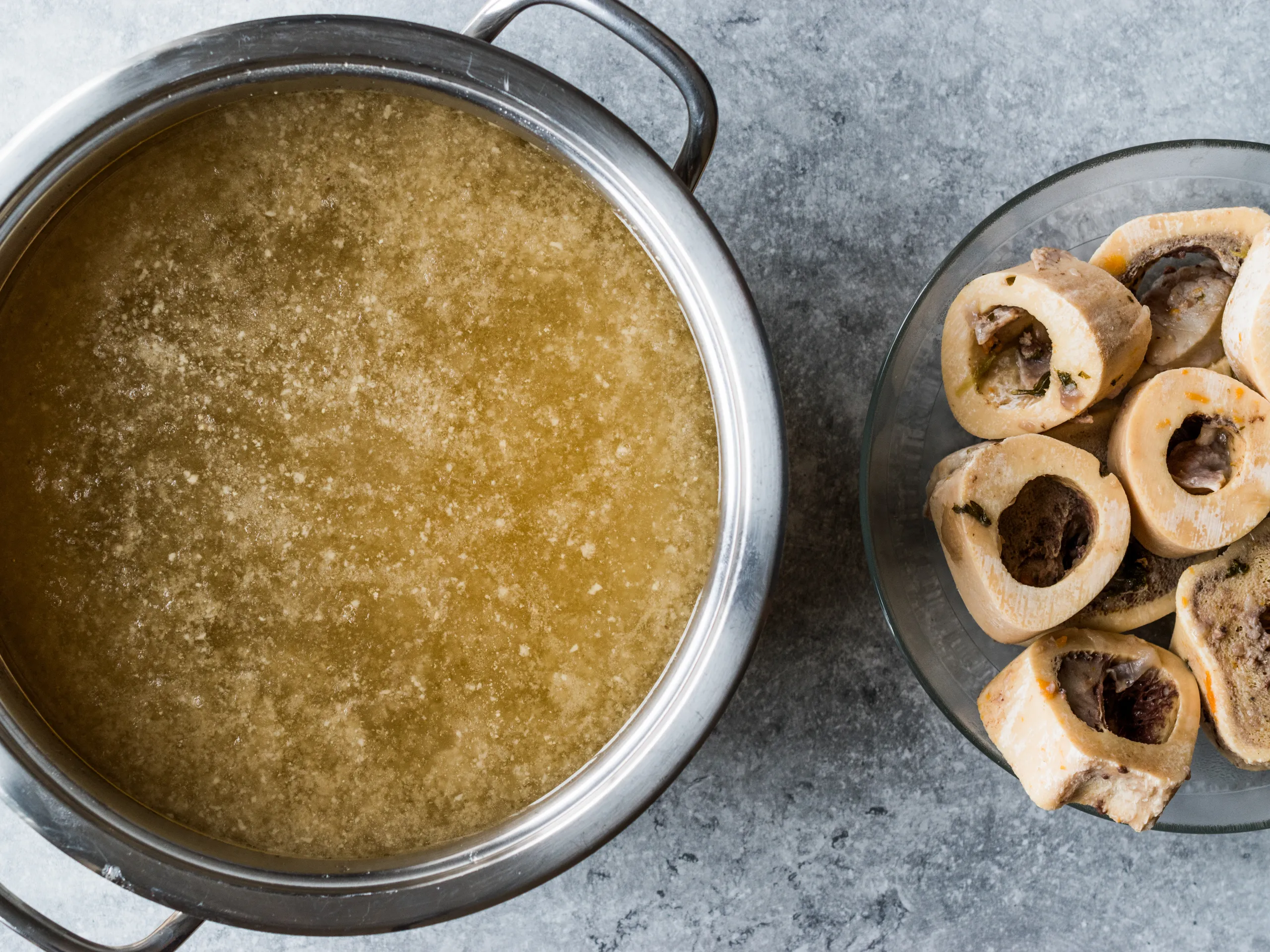
Benefits of Bone Broth

Traditional foods such as fermented vegetables and cultured dairy have been highly regarded for their health benefits for thousands of years. However, bone broth has recently gained recognition for its incredible health advantages, and has become a staple of the Paleo diet, with bone broth supplements and shops now available.

The benefits of bone broth are extensive and diverse, with various types of bone broths (such as chicken, beef, fish, and powder) offering unique health benefits. In this regard, let me reveal some ancient wisdom about the remarkable properties of bone broth, including its nutritional facts and health benefits.

What is bone broth?

Chicken soup has long been recognized as a comforting food, but it’s not just good for the soul. It’s also a common remedy suggested by both mothers and doctors when feeling unwell.

Bone broths, including beef, chicken, fish, and lamb, have been a fundamental part of traditional diets across cultures and cuisines. Nowadays, bone broth has become a key component of the Paleo and keto diets due to its nutrient-dense, easy-to-digest, and healing properties.

Our ancestors used bone broth as a means to use every part of an animal, including bones, skin, feet, tendons, and ligaments, by simmering them for days, resulting in the release of healing compounds like collagen, proline, glycine, and glutamine.

Nutrition researchers Sally Fallon and Kaayla Daniel explain that bone broths contain minerals like calcium, magnesium, phosphorus, silicon, sulfur, as well as chondroitin sulfate and glucosamine, which are often sold as supplements for joint pain and inflammation.

A study conducted by the University of Nebraska Medical Center on chicken soup found that the amino acids produced during the cooking process of the broth reduced inflammation in the respiratory system and improved digestion, making it beneficial for colds and flu.

Research also suggests that bone broth can enhance the immune system and aid in treating disorders such as allergies, asthma, and arthritis.

It’s worth noting that most store-bought “stock” and “broth” are not made from bones or animals, with companies using lab-produced meat flavors and harmful additives like monosodium glutamate (MSG).

Benefits

What are the health benefits of bone broth? Let’s explore some of them:

Protects Joints

Bone broth is a rich source of natural collagen, a protein found in the bones, skin, cartilage, ligaments, tendons, and bone marrow of vertebrate animals. As we age, our joints undergo natural wear and tear, causing decreased flexibility.

This becomes a problem as our cartilage diminishes due to age-related degradation, but bone broth can help. As it simmers, collagen from animal parts seeps into the broth and becomes easily absorbed, aiding in the restoration of cartilage.

Another crucial component of bone broth is gelatin, which acts as a soft cushion between bones, allowing them to move without friction. It also provides essential building blocks for the formation and maintenance of strong bones, thereby reducing the pressure on aging joints and promoting healthy bone mineral density.

A study conducted by the Department of Nutrition and Sports Nutrition for Athletics at Penn State University found that athletes who supplemented their diets with collagen for 24 weeks showed significant improvements in joint comfort and a decrease in factors negatively affecting athletic performance. This underscores the potency of bone broth collagen.

Gut Health

Studies show that gelatin is beneficial for restoring strength of the gut lining and fighting food sensitivities (such as to wheat or dairy). It also helps with the growth of probiotics (good bacteria) in the gut and supports healthy inflammation levels in the digestive tract. A report published in the Journal of Clinical Gastroenterology indicates that gelatin effectively supports intestinal health and integrity. Plus, it displayed anti-inflammatory effects and is able to inhibit cytokines. Bone broth stock is easily digested and soothing to the digestive system, unlike many other foods, which can be difficult to fully break down. After all, a food is really only useful if we have the means of absorbing its nutrients. Studies have displayed that in individuals with digestive imbalances, serum concentrations of collagen are decreased. Because the amino acids in collagen build the tissue that lines the colon and entire gastrointestinal tract, supplementing with collagen can support healthy digestive function.

Healthy Skin

Collagen helps form elastin and other compounds within skin that are responsible for maintaining skin’s youthful tone, texture and appearance. Collagen integrity is accredited with helping reduce the visible signs of wrinkles, decreasing puffiness and fighting various other signs of aging. Many people report a decrease in cellulite when consuming foods and supplements containing collagen, since cellulite forms due to a lack of connective tissue, allowing skin to lose its firm tone. Double-blind, placebo-controlled studies investigating the age-defending properties of collagen have indicated that 2.5–5 grams of collagen hydrolysate used among women aged 35–55 once daily for eight weeks supports skin elasticity, skin moisture, transepidermal water loss (dryness) and skin roughness. At the end of only four weeks, those using collagen showed a statistically significant improvement in comparison to those using a placebo with regard to skin moisture and skin evaporation, plus noticeable decreases in signs of accelerated aging, all with little to no side effects.

Immune System

Bone broth has remarkable gut-supportive benefits that have a holistic effect on the body and promote a healthy immune system. When the intestinal lining weakens, undigested particles from foods can seep through tiny openings and enter the bloodstream, causing the immune system to become hyperactive and leading to inflammation and dysfunctions throughout the body.

Consuming bone broth is one of the best ways to restore gut health and support a healthy immune system and inflammatory response. The collagen/gelatin and amino acids proline, glutamine, and arginine found in bone broth help to seal the openings in the gut lining and promote gut integrity.

In addition to supporting a healthy immune system and inflammatory response, bone broth may also promote healthy sleep, boost daytime energy, and support a healthy mood. Traditionally made bone broths are especially believed to have these benefits.

Detox

In today’s modern society, people are exposed to a plethora of environmental toxins, pesticides, and artificial ingredients. Although the body has its own detoxification mechanisms, it can become overwhelmed when bombarded with an excessive amount of harmful chemicals.

Bone broth is recognized as a potent detoxifying agent due to its ability to aid in waste elimination from the digestive system and improve liver function. It also promotes tissue health and enhances antioxidant utilization.

Bone broth is rich in potassium and glycine, which help with cellular and liver detoxification. It is also a source of sulfur, particularly when combined with vegetables, garlic, and herbs, as well as glutathione, a phase II detoxification agent that reduces oxidative stress.

Studies show that glutathione can help eliminate fat-soluble compounds, particularly heavy metals such as lead and mercury, while also aiding in nutrient absorption, antioxidant utilization, and liver-cleansing functions.

Furthermore, bone broth is an excellent source of essential minerals that act as chelators by preventing heavy metals from binding to mineral receptor sites, thus assisting in toxin removal.

Metabolism and Anabolism

Bone broth stock contains a variety of amino acids that play important metabolic roles, such as building and repairing muscle tissue, supporting bone health, and promoting nutrient absorption and synthesis. Glycine, an amino acid found in collagen, helps convert glucose into usable energy and slows down age-related muscle, tissue, and cartilage loss by enhancing the body’s use of antioxidants. Studies suggest that glycine also protects against skeletal muscle loss and inhibits genes associated with age-related muscle protein breakdown.

Glutamine, another important amino acid in bone broth, helps maintain energy levels by transporting nutrients, particularly nitrogen, to cells. Arginine, on the other hand, breaks down nitric oxide, which improves blood circulation and sends nutrients to cells, promoting muscle and tissue integrity and facilitating normal wound healing.

These nutrients may also have potential for weight loss, making bone broth a possible addition to a weight loss regimen.

How To Make It

Are you interested in making bone broth? To create a high-quality broth, there are several important factors to consider.

While it is possible to make bone broth with animal parts alone, studies have shown that combining animal products with vegetables has a synergistic effect, making the broth more beneficial than either ingredient alone.

Experts recommend using animal parts that are not typically found in grocery store meat sections, such as chicken feet and necks. Additionally, it’s crucial to select animal products that are pasture-fed and free of antibiotics and hormones to unlock all of the potential bone broth benefits.

For a classic bone broth recipe, Fallon suggests using bones, fat, meat, vegetables, and water. If preparing beef or lamb broth, it’s recommended to brown any remaining meat or organ meat prior to adding it to the stock pot.

While beef bones don’t require pre-cooking, it’s necessary to add a small amount of apple cider vinegar to the pot to help extract minerals from the bones. Poultry and fish can be added directly to the pot without browning.

Posted on Leave a comment

Why are people so threatened by the Carnivore Diet?

Some interesting thoughts as to why some people may be so averse to the thought of the carnivore diet.

There are various reasons why some people may feel threatened by the carnivore diet, which is a diet that consists primarily of meat and animal products.

  1. Ideological Differences: Some people may feel threatened by the carnivore diet due to ideological differences. Many people are committed to certain dietary principles, such as veganism or vegetarianism, and the carnivore diet represents a departure from those principles. People who are deeply committed to these principles may feel that the carnivore diet challenges their beliefs or represents a threat to the progress that they have made towards their dietary goals.
  2. Nutritional Concerns: Some people may feel threatened by the carnivore diet because they are concerned about the potential health risks associated with a high consumption of meat and animal products. There is some evidence to suggest that a diet high in red meat may increase the risk of certain health conditions, such as heart disease and cancer. These concerns may lead people to view the carnivore diet as a potentially dangerous and unhealthy dietary approach.
  3. Cultural and Social Norms: Many people view the consumption of meat as a fundamental aspect of their cultural or social identity. The carnivore diet represents a departure from these norms, which may lead some people to view it as a threat to their cultural or social identity.

Overall, people may feel threatened by the carnivore diet for a variety of reasons, including ideological differences, nutritional concerns, and cultural and social norms.

Posted on Leave a comment

Why I ditched the veggies

It is commonly “understood” that fruits and vegetables provide essential micronutrients such as vitamins, minerals, and phytonutrients that are necessary for optimal health. We have been taught to incorporate a variety of plant-based foods in our meals, using the “eating the rainbow” approach.

Some plant foods are considered superfoods due to their high levels of micronutrients and antioxidants. Examples of such foods include broccoli, kale, and other leafy greens.

However, it turns out that much of what we have been taught about nutrition and the benefits of a plant-based diet may be flawed. There are significant issues with this way of eating, including the fact that the nutrients in plants are often poorly absorbed by the body, and that plants contain chemical defense mechanisms designed to discourage animals and humans from consuming them.

One such category of defense chemicals is known as antinutrients, which can interfere with the body’s ability to absorb nutrients from food, and even cause illness.

This article explores the scientific and evolutionary reasoning behind reducing the amount of plants in your diet. It delves into the differences between plant and animal protein, identifies the best sources of nutrients for humans, and touches on the moral and environmental considerations of eating animals versus plants.

Furthermore, the article provides tips, such as fermentation, to reduce the toxicity of certain plant foods and improve the body’s ability to absorb their nutrients. By using these methods, it’s possible to still consume certain plants while minimizing any negative impact on your health.

Nutrients in Plants vs. Animals

Do vegetables have negative health effects? The truth is, compared to animals, plants are a suboptimal source of micronutrients such as vitamins and minerals.

There are several reasons for this:

Firstly, some crucial vitamins are entirely absent in plants.

Secondly, some of the vitamins found in plants must be converted before the body can utilize them, which diminishes their bioavailability.

Thirdly, antinutrients in plants can hinder the absorption of numerous vitamins and minerals.

Fourthly, plant protein has an incomplete amino acid profile and is inadequately absorbed.

Lastly, most plants contain unfavourable ratios of specific fatty acids, including omega-3 and omega-6.

Let’s further explore these issues and provide some examples.

Essential Nutrients Not Found in Plants

As previously mentioned, plants do not contain some essential and non-essential nutrients such as vitamins, minerals, and fatty acids, which are only available from animal sources.

Here are some examples:

  • Vitamin B12, which is essential for proper brain and nervous system function, is not present in any reliable plant source. This is why many vegans struggle with deficiency and often consume fortified junk food. Organ meats, particularly liver, are excellent sources of vitamin B12.
  • Vitamin D3 is not found in parts of plants that are safe for human consumption, except for microalgae. Hence, most of it comes from the sun and animal sources, particularly fatty fish.
  • Plants contain vitamin K1, which has poor absorption by the body, especially in the absence of fat that plants lack. To obtain vitamin K2 from plants, you need to ferment them first. However, the most important form of vitamin K2, MK-4, is only present in animal products and particularly in liver.
  • Creatine is important for muscle and brain function, but those following a plant-based diet have been found to have lower levels of creatine, leading to decreased physical and mental performance.
  • Carnosine, responsible for muscle function, is a non-essential amino acid that vegetarians have significantly lower levels of in their muscles without supplementation. This can lead to decreased endurance and muscle mass.
  • Docosahexaenoic acid (DHA), an essential omega-3 fatty acid, is found in fatty fish, fish oil, and microalgae. While plants contain alpha-linolenic acid (ALA), the conversion to DHA is inefficient. Therefore, plant-eaters must supplement with algae oil or synthetic versions of DHA to meet their needs.
  • Taurine, a sulfur compound, is only present in animal-based foods such as fish, seafood, meat, poultry, and dairy. It supports muscle function, bile salt formation, and the immune system. A study found that vegetarians are often deficient in taurine, leading to an autoimmune disorder called platelet aggregation abnormality.

Nutritional Bioavailability

Plants contain many vitamins and minerals in forms that are not readily usable by the body and require conversion, which reduces their effectiveness and availability.

Consider the following examples:

Vitamin A: Plants contain only precursor forms of vitamin A, such as beta-carotene, alpha-carotene, and beta-cryptoxanthin, which the body must convert before use. In contrast, organ meats like liver provide readily available, pre-formed vitamin A (retinol). Iron: Non-heme iron, which is found in plants, is three times less bioavailable than heme iron, found in animal muscle and organ meats like liver and spleen.

Before proceeding, it’s worth considering this: how can a plant-based diet that requires synthetic vitamin and mineral supplements to address nutritional deficiencies be considered optimal?

Animal Protein vs Plant Protein

Proteins are made up of amino acids, some of which the body can produce on its own, while others (known as essential amino acids) need to be obtained through food sources.

However, plant-based protein sources are often deficient in certain essential amino acids, resulting in an incomplete amino acid profile. Furthermore, the bioavailability of plant-based protein is typically lower than that of animal-based protein, meaning the body may not absorb all the necessary essential amino acids from plant sources.

The ratio of Omega-3 to Omega-6

Omega-3 and omega-6 are both polyunsaturated fatty acids that play critical roles in supporting brain function, promoting skin and hair growth, regulating metabolism, maintaining the reproductive system, and more.

However, an excess intake of omega-6 can lead to inflammation, making it important to maintain a balance between the two fatty acids. Our ancestors had a relatively balanced ratio of omega-3 to omega-6 in their diets, which has been disrupted by the widespread use of industrial seed oils and the overconsumption of plant foods high in omega-6, such as nuts and seeds.

It is worth noting that meat from grass-fed animals has a more favorable omega-3 to omega-6 ratio than meat from grain-fed animals. Therefore, whenever possible, consuming pasture-raised meats can be a better option.

Nutrients in Animals

Consuming meat from animals raised under appropriate conditions doesn’t come with the concerns of low absorption and bioavailability of nutrients that plant-based foods do. By consuming a complete animal-based diet, including all the animal parts, you can obtain all the essential nutrients in the most readily available form for your body. Furthermore, you can avoid worrying about the toxic substances frequently present in plants.

Plants Natural Survival Defenses

Animals and plants share the desire to avoid being eaten, unless it benefits them in some way (which we’ll discuss shortly).

When faced with a threat, animals have the ability to run away or fight back. In contrast, plants cannot move and rely on chemical warfare to defend themselves. This includes the use of toxins, inflammatory proteins, enzyme inhibitors (also known as antinutrients), and thorns, which are concentrated in key parts of the plant such as seeds, leaves, stems, and skin.

To illustrate the power of plant defense mechanisms, consider these examples:

  • Some plants can release chemicals when they sense leaf vibrations caused by insects chewing on them.
  • Certain plants can turn caterpillars into cannibals with chemicals they release, causing the caterpillars to lose interest in eating the leaves.
  • Other plants release chemicals that attract parasitic wasps that prey on the insects that damaged the plant.

While impressive, these examples highlight the strength of plant defenses and the range of toxicity present in various plant species.

However, some plants benefit from being eaten as it allows their seeds to spread and grow. Therefore, some fruits, like sweet fruits, are healthier for humans than others.

This doesn’t mean that you should avoid all plants, but rather be selective about the ones you consume regularly and learn about how food preparation can help reduce their toxicity.

To better understand the impact of plant toxins on our metabolism, let’s take a closer look at the most common types of plant toxins.

Common Plant Toxins

The list of toxins found in plants (called phytotoxins) is long, so here’s an overview of some of the most prevalent ones:

  • Antinutrients (or enzyme inhibitors)
  • Goitrogens
  • Heavy metals
  • Neurotoxins and carcinogens
  • Phytoestrogens

Antinutrients

Antinutrients, unlike nutrients that provide nourishment, inhibit the absorption of individual proteins, vitamins, and minerals in the body. They can also cause damage to the intestinal walls, leading to increased intestinal permeability, also known as a leaky gut.

When the gut is leaky, undigested food particles such as proteins enter the bloodstream, triggering the immune system to attack them. Failure to eliminate such foods from your diet may lead to chronic inflammation and autoimmune diseases such as rheumatoid arthritis.

Moreover, consuming antinutrients may cause mineral deficiencies, particularly if you follow a diet that’s low in organ meats.

Common antinutrients include:

  • Glucosinolates
  • Gluten
  • Lectins
  • Oxalates
  • Phytates or phytic acid
  • Saponins
  • Tannins
  • Trypsin inhibitors

Glucosinolates

Glucosinolates are present in cruciferous vegetables such as Brussels sprouts and cabbage, and they hinder the absorption of iodine, flavonoids, iron, and zinc in the body.

Gluten

Gluten is a well-known antinutrient that many health-conscious individuals are aware of. It is commonly found in wheat, barley, and rye. Non-celiac gluten sensitivity affects an estimated 13% of the population.

Lectins

You may have come across the term “lectins” as it is gaining popularity, much like “gluten-free” eating. Lectins are proteins naturally found in various foods, with legumes and grains having higher concentrations of them. They are primarily present in the part of a seed that transforms into a leaf during the sprouting process.

One significant issue with lectins is that they can lead to leaky gut, which is also called intestinal permeability. When you consume foods rich in these proteins, they bind to cells in your gut lining, creating perforations that cause your gut’s contents to leak unfiltered into your bloodstream, leading to inflammatory pathways.

According to Dr Marcelo Campos, MD – Harvard Health

“We already know that increased intestinal permeability plays a role in certain gastrointestinal conditions such as celiac disease, Crohn’s disease, and irritable bowel syndrome. The biggest question is whether or not a leaky gut may cause problems elsewhere in the body. Some studies show that leaky gut may be associated with other autoimmune diseases (lupus, Type 1 diabetes, multiple sclerosis), chronic fatigue syndrome, fibromyalgia, arthritis, allergies, asthma, acne, obesity, and even mental illness. However, we do not yet have clinical studies in humans showing such a cause and effect.”

Dr. Campos, in the studies he cited, linked these results to Type 1 diabetes, but the same pattern was observed in other illnesses like Crohn’s disease and coeliac disease.

In a separate study by University of Alberta researchers, it was determined that “increased permeability is a persistent and early characteristic of the disease process in many autoimmune conditions. Additionally, it seems evident that in certain conditions, increased permeability plays a vital role in disease development, as the absence of it prevents disease progression.”

Oxalates

Plant-based foods such as spinach, rhubarb, rice, and almonds contain oxalates, which can bind to calcium, hindering the body’s ability to absorb this vital nutrient. The lack of calcium absorption can lead to muscle pain. Moreover, oxalates from the diet can bind to unused calcium and accumulate in the kidneys, resulting in kidney stones.

If you suffer from kidney stones, you may have been advised by your doctor to cut down on salt and animal protein intake. However, considering that early humans mostly consumed animal protein and did not suffer from chronic kidney problems, this advice may be misguided. Instead, it may be better to reduce your intake of vegetables that contain oxalates.

Moreover, calcium malabsorption can also result in other issues such as osteoporosis, fatigue, and inflammatory conditions like eczema.

Phytates or Phytic Acid

Phytates are present in the outer shells of whole grains, seeds, and legumes like soybeans and peanuts. They have the ability to bind with vital dietary minerals such as calcium, magnesium, iron, copper, and zinc, which renders them unusable by the body.

Saponins

Legume plants are the primary source of saponins, which get their name from their ability to foam up like soap in the presence of liquids, such as gastric fluids. Saponins can cause a leaky gut like lectins by binding to the gut, leading to increased intestinal permeability. Additionally, they can bind to zinc, which impairs the digestion of protein and the absorption of various vitamins and minerals.

Tannins

Tannins are often recognized as the component that imparts a dry taste to wine. Polyphenols known as tannins can be found naturally in a variety of sources such as plants, seeds, bark, wood, leaves, and fruit skins. They’re antinutrients because they inhibit the absorption of iron.

Trypsin Inhibitors

Proteins that inhibit the activity of trypsin, a digestive enzyme involved in protein digestion and absorption, are known as trypsin inhibitors. Interestingly, most trypsin inhibitors are found in grain legumes, such as peas and peanuts, which are a significant source of protein for vegans.

Since these inhibitors prevent the digestion and beneficial use of protein in our bodies, they are classified as antinutrients.

Other Antinutrients

Beyond the most important enzyme inhibitors mentioned above, here are a few more antinutrients (and foods containing them):

  • Allicin and mustard oil: Onions, shallots, leeks, chives, scallions and garlic.
  • Alpha-amylase inhibitors: Grains, legumes, nut skins and stevia leaves.
  • Avidin: Egg white (one of the reasons why I often eat the yolk only).
  • Calcitriol, solanine and nicotine: Green potatoes, eggplant, peppers, tomatoes and goji berries.
  • Cyanide: Beans and fruit pits.
  • Salicylates: Berries, dried fruits, herbs and spices.
  • Oligosaccharides: Legumes.

Goitrogens

Goitrogens are chemicals that can inhibit the function of the thyroid gland by interfering with the uptake of iodine, an essential mineral required for thyroid hormone synthesis.

Foods that are rich in goitrogens include bok choy, broccoli, Brussels sprouts, cabbage, cauliflower, collard greens, horseradish, and kale, which are often considered as “superfoods.”

Heavy Metals

The problem of soil contamination with heavy metals is prevalent worldwide. The challenge is that heavy metals, such as arsenic, cadmium, chromium, and lead, among others, not only remain in the soil but also get absorbed by plants and eventually end up in our food chain, regardless of whether they were organically or conventionally grown using synthetic herbicides or pesticides.

Although heavy metals can also accumulate in animal tissue, studies have indicated that individuals who primarily consume a plant-based diet tend to have higher blood levels of heavy metals.

Neurotoxins and Carcinogens

It is important to be aware of the potential toxicity of certain plant-based foods. For example, castor beans contain ricin, a neurotoxin that can cause death within hours. Although this is an extreme example, even regular beans and potatoes can be highly toxic when consumed raw and cause severe illness or death. Additionally, some plants like grains and legumes are often contaminated with aflatoxins, a type of mold that grows on tree nuts, seeds, maize and other cereals. Aflatoxins are known to cause cancer by damaging human cells and DNA.

Phytoestrogens

Phytoestrogens are plant-based chemicals that mimic the sex hormone estrogen.

The Real Reason I Ditched The Veggies

In truth, my decision to remove vegetables from my diet stemmed from an attempt to alleviate long-standing gastrointestinal problems, despite adhering to a strict diet and avoiding processed foods. It became apparent that cutting out veggies greatly improved my chronic digestive issues. The discomfort I experienced after consuming even small amounts of vegetables was a striking realization for me. This personal experience led me to explore the Carnivore and Animal-based diets, and I concluded that everyone could benefit from eliminating veggies from their diets.